DESCRIPTION
At Heidelberg’s Pately Bridge Quarry, light vehicles are used for moving personnel, tools, and small loads around site. These vehicles are often difficult for pedestrians and drivers of large mobile plant to see, particularly when moving around large quarry plant, stockpiles, between high bund walls, or in poor light conditions.
Plant operators and pedestrians noted that smaller vehicles with flashing flags were easier to spot in mirrors, blind spots and over bunds. However, it was found that drivers and pedestrians were relying heavily on human vigilance, which is fallible, rather than engineered visibility controls that were already in place.
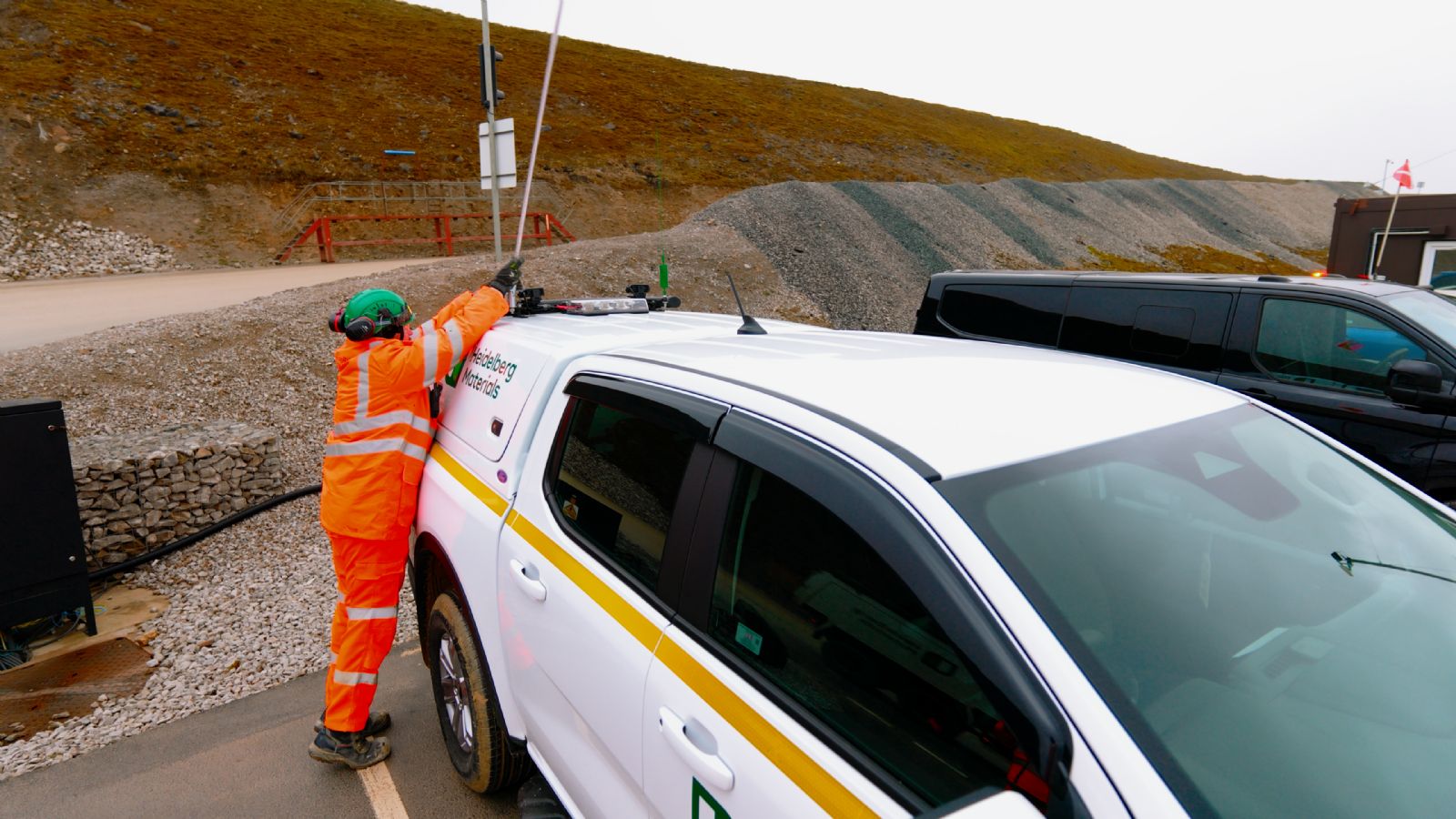
There were several problems with the flags that were being used on the light vehicles in the quarry. They were prone to detach in the windy environment of the quarry. This not only made the vehicle more vulnerable to being struck by other mobile plant but, increased the possibility of it not being seen by a pedestrian. It also created the potential for a driver recovering a fallen flag to be hit by other traffic.
The flags were attached to the pick-ups using a simple magnetic system. Attaching and removing the flag from the top of the vehicle using this system exposed the driver to the risk of a manual handling or a pinch injury, due to the design of the mechanism. It was also difficult to ensure that the flag would always be attached so that it was at the correct flying height.
Please view the video and the entry in the 'Sharing good practice guide' to find out more about the solution to this issue.
BENEFITS
- Improved visibility of light vehicles for both other drivers and pedestrians.
- Reduced risk of light vehicles colliding with mobile plant or pedestrians.
- Eliminated the risk of driver being struck whilst retrieving a fallen flag.
- Simple attachment method has reduced potential for manual handling or pinch injury.
- As it is simple and convenient to attach the flag, drivers are less likely to fail to use them as part of daily routine.
- The system has been standardised across the site.
- Improved safety at site entrances and car parks, where vehicles and pedestrians often mix.
- Flashing flags reduce the chance of light vehicles being hidden in plant blind spots.
- Reinforces competency in traffic management and safe systems of work.
- Fewer stoppages due to near misses or vehicle-pedestrian conflicts.